

In August, I went to an island in Maine with 6 friends, for the second year in a row. From the coast of Maine, we made our way to the island by a lobster boat and a dinghy.
While it is only a 5 hour drive from Boston, it is otherworldly. A 10 minute walk takes us to a 3 story, 8-bedroom house built in the 1800s. The only electricity is on the first floor, powered by solar panels. We use an outhouse and an outdoor shower, rigged with plastic bags of water that has to be heated by the sun or on the stove. While the refrigerator and oven run by a generator, dishes are hand washed with water from a small hand pump by the sink and then rinsed with boiled water to ensure sanitation. We get our drinking water separately from a well that we walk to with a two-wheeled cart. It’s at least a two-person job to get the water from the well, with one person holding the water container in place while the other pumps. Both people usually have to fend off gentle but persistent attacks from mosquitoes and other bugs.
This year, like last year, was full of wonder.
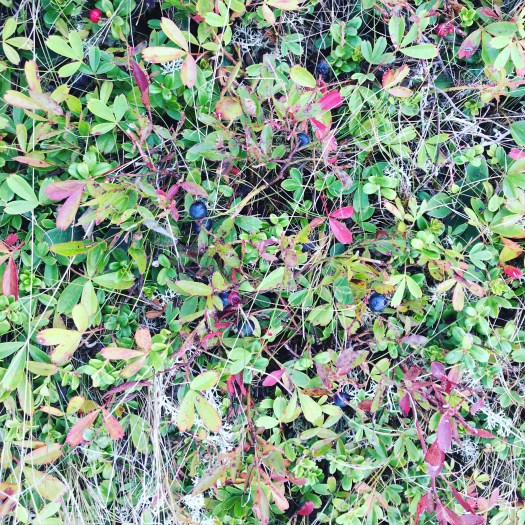
There are wild blueberries growing all over the island. We pick them, slowly, with bent backs, and make blueberry cake with a recipe that has been posted on the wall of the kitchen for longer than most of us have been alive. There is an abandoned lighthouse to hike to through a forest, over a salt marsh, and along the coast, on paths marked by buoys. A complete walk around the island takes about 3 hours, and every bend has a different, beautiful view of the forest or the ocean.
A deep “punch bowl” made by a circle of small rocks in cliff formation and crashing sea waves, makes for a wonderful swimming pool for jumping into the ice cold ocean water. Even though it is the middle of August, evenings call for fires to be built in the living room. We play board games together, nap, and read on a hammock strung up between two trees perfectly spaced apart for the purpose. This year, we had an impromptu dance party in the kitchen, and inadvertently drew neighbors from a distance when we went out on the widow’s walk in the evening to watch the Perseid meteor shower. We laughed so much, our neighbors thought we were having a party, not lying on our backs, staring at the starlight sky.
This year, knowing a little bit about what to expect, I looked forward to slowing down and unplugging, literally. It was lovely to live so close to nature, even for a little bit. I relished the experience, with time and space to rest and to be. I did not want to leave. What I didn’t expect, though, was that the time on the island would lead me to think about how much automation has been part of our lives for hundreds, if not thousands, of years.
Indoor plumbing, electricity, dishwashers, and indoor heating, are all manifestations of automation, a phenomenon some have traced as far back as Homer’s Iliad. Hephaistos, the god of fire, metalworking, stone masonry, and sculpture is also the “god of the dragging footsteps.” Perhaps understandably, given this difficulty in movement, Hephaistos “set golden wheels underneath the base of each [tripod] so that of their own motion they could wheel into the immortal gathering, and return to his house: a wonder to look at,” wrote the Greek poet in mid-8th century BC.
In the 21st century, with rapid developments in machine learning and artificial intelligence, some have raised fears while others have said that these fears are overblown. Both are likely right. Dishwashing and woodcutting have almost disappeared as professions while developments in these areas have freed us with more time to spend in other ways. Simply put, automation enables us to do more in less time. Most articles I have read on this topic, however, are written curiously in the passive voice – ie. “automation will make our lives better/ worse.” Yet “automation” does not have agency. Humans deciding whether and how to use automation, however, do. Whether we choose to use automation in ways that help us or harm us, is ultimately up to us.
The thing that I fear, however, is whether we make enough time for ourselves to slow down and think thoughtfully and carefully about the decisions that impact our future. Or whether we are forced by the speed with which we now live our lives (courtesy of automation, among other things) and the demands of productivity by which we measure the quality of our lives (courtesy of values associated with automation) to act before we have the time to think our decisions through… A recent article summarizes some research about deciding well, and the correlation between the number of alternatives considered before making a decision and the success of the decision.
 Connie K Chung, EdD