

A few minutes after I closed a chapter of my life, leaving Harvard after 17 years as an undergraduate and graduate student, lecturer, and associate director of a global education research lab, I received an email from a Yale professor of computer science. He asked if I could come give a keynote at a conference he was running about transforming higher education; it was to be the third annual gathering of Chinese American professors.
I replied that I was not Chinese American and that I was no longer part of a higher education institution. But he still wanted to talk to me over the phone. I further clarified on the phone that transforming higher education was not my area of research (I’d win at authenticity but lose at self-marketing, I know!).
BUT, I said, I have been thinking quite intensely about transforming K-12 education in many contexts, including in China. And in most conversations I had with others interested in the topic, local education stakeholders identified the admissions process for higher education as a big road block to change.
In places like China, the narrow focus on memorization and cognitive tasks in high stakes college entrance exams have tended to shape the learning experiences of students, no matter what the stated curriculum might be or however many great new ideas were introduced in pedagogy. Could I talk about that issue and why it is such a big challenge to overcome when our world is undergoing seismic shifts in how we live and work? He said yes.
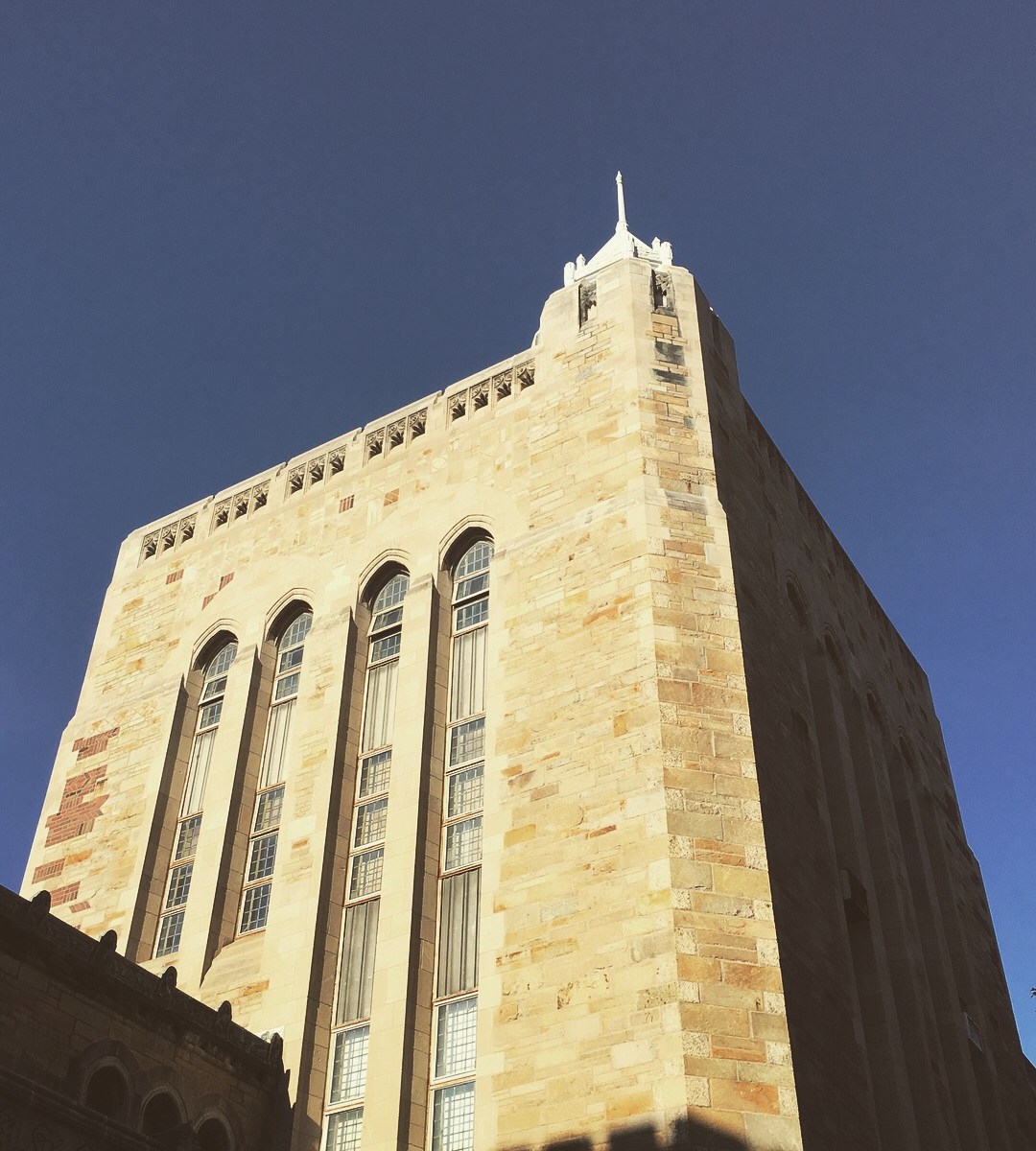
It was lovely to be on Yale’s beautiful campus, even for a short while, and I laid out an argument for what needed to change and why. It was well received, and I was glad for the professor who took the chance to invite me.
But one question emerged from the audience that has lingered on my mind since the conference: Of all the qualities that are helpful to possess in this new world, such as creativity, collaboration, and flexibility – why wasn’t “hard work” mentioned? I replied that I had just assumed “hard work” was a given.
I have taught high school and graduate students who were hard working and saw how important that habit was to their success – but also had seen that a narrow definition of achievement as measured only by grades and acceptance to a small number of “acceptable” universities was detrimental to their overall well-being. I found myself telling them – perhaps morbidly – that when they died, their tombstones would not say, “Stanford AB 2022, Yale JD 2025,” but that rather, that they would be remembered for the kind of daughter, mother, partner, friend, co-worker, and contributor to their communities they were (and that hard work and achievement matter – but that they are the means, not the ends…).
And what I should have added – was that this current system of education that is built on an implicit theory and assumption that working hard to do well on tests will lead to success – simply no longer works as well as it used to. One of the key changes that mark this fourth industrial revolution is the prevalence of computers and machines that are quite sophisticated in their function.
In such an age, humans simply do not have a competitive advantage over computers and machines when it comes to working hard. Put another way, a human being will always lose every single time she is pitted against a machine or a computer to see which one will work harder. Machines and computers do not need food, water, nor sleep. The few times people have tried to work hard as though they were machines ended – literally – in their deaths. And dying is no way to live well.
We are entering a new frontier in human existence, where we have to create a better world for ourselves, while living with advanced technology. It’s up to us to determine what this brave new world might look like, as MIT president L. Rafael Reif noted. But the answer will not come from our merely “working harder.”
 Connie K Chung, EdD